Finding Your Perfect Car Under 20 Lakhs in Pakistan: A Detailed Buying Guide
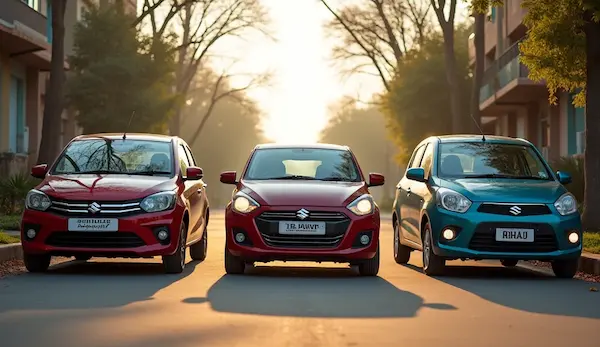
The dream of owning a car becomes reality for many Pakistani families when they discover quality options available under 20 lakhs. This price range offers several practical vehicles that balance affordability with functionality. Whether you need a car for daily commuting, family trips, or starting your driving journey, this comprehensive guide will help you make the right choice.
Understanding the Under 20 Lakh Market Segment
The automotive landscape in Pakistan has changed dramatically over recent years. Not long ago, finding a decent car under 20 lakhs seemed nearly impossible. Today, several manufacturers compete in this segment, giving buyers more choices than ever before.
This price bracket typically includes compact hatchbacks and small sedans. These vehicles prioritize essential features over luxury, making them ideal for budget-conscious buyers who still want reliable transportation. The focus remains on fuel efficiency, easy maintenance, and practical daily use rather than performance or premium features.
Understanding what you can realistically expect in this price range helps avoid disappointment. These cars serve their purpose well when you match expectations with reality. They get you from point A to point B reliably, consume less fuel, and keep running costs manageable.
Top Contenders in This Price Range
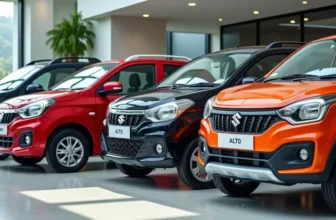
Suzuki Alto VXR
The Alto has dominated Pakistan’s entry-level market for years, and the VXR variant represents the sweet spot between affordability and features. Priced around 18 to 19 lakhs, this model offers the best package for most buyers.
The 660cc engine might sound small, but it handles city driving remarkably well. Stop-and-go traffic barely troubles this little engine. Highway driving requires patience, as overtaking needs planning, but regular commuting feels comfortable enough. The fuel economy shines as the Alto’s strongest feature, delivering anywhere from 18 to 23 kilometers per liter depending on your driving style and conditions.
Interior space surprises many first-time buyers. The front seats accommodate adults comfortably, though taller passengers might feel cramped. Rear seating works fine for short trips but gets uncomfortable during long journeys. The boot provides adequate space for grocery runs and weekend luggage, though you would not want to pack for a month-long vacation.
Suzuki’s nationwide service network gives the Alto a massive advantage. Every major city and most towns have authorized workshops and spare parts readily available. This accessibility keeps maintenance costs low and ensures you are never stuck without support. Mechanics across Pakistan know these cars inside out, so even non-authorized workshops can handle repairs competently.
The resale market loves the Alto. When selling time comes, you will find buyers quickly and get reasonable prices. This strong demand stems from the car’s proven reliability and widespread acceptance. People trust what they know, and everyone knows the Alto.

United Alpha
United Motors shook up the market by offering the Alpha at extremely competitive prices. Currently sitting around 16 to 17 lakhs, this 800cc hatchback provides maximum value for minimum investment.
The larger engine compared to the Alto delivers better performance, especially when carrying passengers or climbing hills. The extra 140cc makes a noticeable difference in real-world driving. City traffic feels less stressful, and highway cruising becomes more relaxed.
Space stands out as the Alpha’s major selling point. Both front and rear passengers enjoy more room than in competing vehicles. Families with children particularly appreciate this extra space during longer trips. The boot accommodates more luggage, making weekend getaways less of a packing puzzle.
Build quality has improved significantly since the Alpha’s launch. Early models faced criticism, but United Motors listened and made necessary changes. Current versions feel more solid and better assembled. However, they still lag behind Japanese competitors in overall fit and finish.
The service network remains the Alpha’s weak point. Major cities have adequate coverage, but smaller towns might lack authorized service centers. Before buying, check whether United Motors has presence in your area. Parts availability has improved but cannot match Suzuki’s extensive network.
Fuel consumption averages around 16 to 20 kilometers per liter. While not class-leading, this remains acceptable for an 800cc vehicle with more interior space. The slightly higher consumption compared to the Alto gets offset by the lower purchase price.
FAW V2
FAW entered Pakistan’s budget segment with the V2, offering Chinese manufacturing at attractive prices. This 1000cc sedan typically costs around 19 to 20 lakhs, positioning it at the upper end of our price range.
The sedan body style immediately differentiates the V2 from hatchback competitors. This appeals to buyers wanting a more traditional car shape without paying premium prices. The longer wheelbase provides excellent rear legroom, making it genuinely comfortable for four adults.
The 1000cc engine delivers adequate power for most situations. Highway driving feels more confident than in smaller-engined alternatives. Overtaking becomes easier, and hill climbing requires less effort. However, this extra power comes with increased fuel consumption, averaging 14 to 17 kilometers per liter.
Standard features impress in this price range. Power windows, central locking, and air conditioning come as expected. The V2 adds features like remote keyless entry and a decent audio system that many competitors skip. The cabin feels more modern than typical budget offerings.
Quality concerns persist with Chinese vehicles in Pakistan. While FAW has improved, questions about long-term reliability remain. The car feels solid enough during test drives, but only time reveals true durability. Early owners report mixed experiences, with some facing issues while others remain satisfied.
Service network development continues, with FAW gradually expanding authorized centers. Major cities have adequate coverage, but rural areas lack support. Parts supply has stabilized compared to early days, though availability sometimes lags during high demand periods.
Changan Karvaan
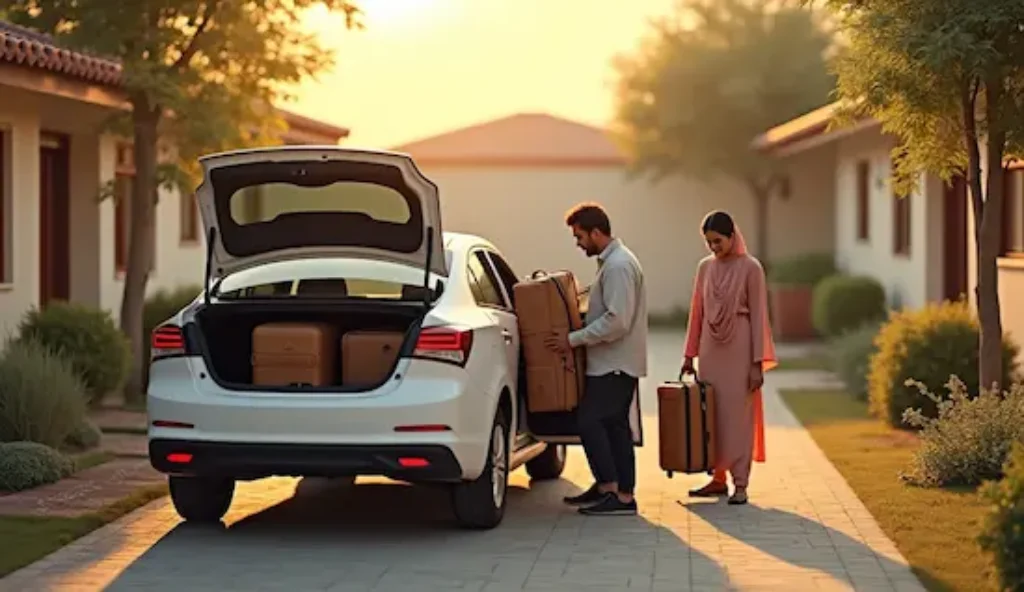
Changan’s Karvaan mini-van offers something completely different in this price segment. Priced around 18 lakhs, this vehicle targets buyers prioritizing space and practicality over style.
The van body provides unmatched interior volume. Families with multiple children find this space invaluable. The flexible seating arrangements allow various configurations depending on passenger and cargo needs. School runs, family outings, and moving household items become much easier.
The 800cc engine works hard moving the larger body. Fully loaded, performance suffers noticeably. Highway driving requires patience, and steep hills challenge the small engine. However, the engine proves adequate for typical urban use when not heavily loaded.
Fuel economy disappoints compared to hatchback alternatives, averaging 13 to 16 kilometers per liter. The van’s larger size and weight naturally consume more fuel. This trade-off between space and efficiency requires careful consideration based on your priorities.
Commercial users love the Karvaan for small business applications. The space accommodates deliveries, equipment transport, and various commercial needs. Many buy this vehicle precisely for such practical purposes rather than family use.
Changan’s service network focuses on major urban centers. Smaller cities might lack proper support, so check local availability before committing. The brand is gradually improving its presence, but gaps remain compared to established competitors.
Critical Factors for Your Decision
Fuel Economy Reality Check
Fuel costs represent the largest ongoing expense after purchasing your vehicle. Even small differences in consumption create significant cost variations over years of ownership. Understanding real-world fuel economy helps avoid unpleasant surprises.
Manufacturer claims often show ideal conditions rather than typical usage. Real consumption usually falls below official figures. City driving with heavy traffic typically consumes 15 to 20 percent more fuel than highway cruising. Your specific numbers depend on driving habits, traffic conditions, and vehicle maintenance.
Smaller engines generally offer better fuel economy, but this advantage diminishes when working hard. A heavily loaded 660cc engine might consume more than a lightly loaded 1000cc engine. Consider your typical usage patterns when comparing options.
Fuel type matters too. All vehicles in this price range run on petrol, but quality affects performance and consumption. Using recommended octane ratings optimizes efficiency and prevents engine problems. Cutting corners on fuel quality leads to higher long-term costs.
Maintenance Cost Reality
Purchase price represents only the beginning of car ownership expenses. Regular maintenance, unexpected repairs, and parts replacement accumulate steadily over time. Understanding these costs prevents budget strain.
Japanese brands benefit from decades of presence in Pakistan. Parts availability remains excellent, and competition keeps prices reasonable. Mechanics everywhere understand these vehicles, so even unauthorized workshops handle maintenance competently. This widespread knowledge and parts availability significantly reduce ownership stress.
Chinese brands face challenges here. Parts sometimes require ordering with wait times. Not all mechanics feel comfortable working on these vehicles. Authorized service centers charge premium prices, and alternatives remain limited. This situation improves gradually but currently requires consideration.
Service intervals vary between manufacturers. Some require more frequent maintenance, increasing annual costs. Check recommended service schedules before buying. Also consider consumable items like brake pads, tires, and batteries that need periodic replacement.
Insurance premiums vary based on vehicle value and your driving history. Budget cars generally cost less to insure, but rates differ between companies. Compare quotes from multiple insurers before deciding.
Space and Comfort Considerations
Test drives reveal whether a car suits your physical needs. What feels spacious to some seems cramped to others. Your height, body type, and typical passenger count all influence comfort requirements.
Front seat comfort matters most since you spend most time there. Adjust the seat through its full range during test drives. Ensure steering wheel reach feels natural. Check whether pedal placement suits your legs. These details seem minor but affect daily driving satisfaction.
Rear seat comfort becomes crucial for family vehicles. If regularly carrying adults in back, verify adequate legroom and headroom. Children tolerate cramped spaces better than adults, so adjust priorities accordingly. Consider your most common usage scenarios rather than rare maximum capacity situations.
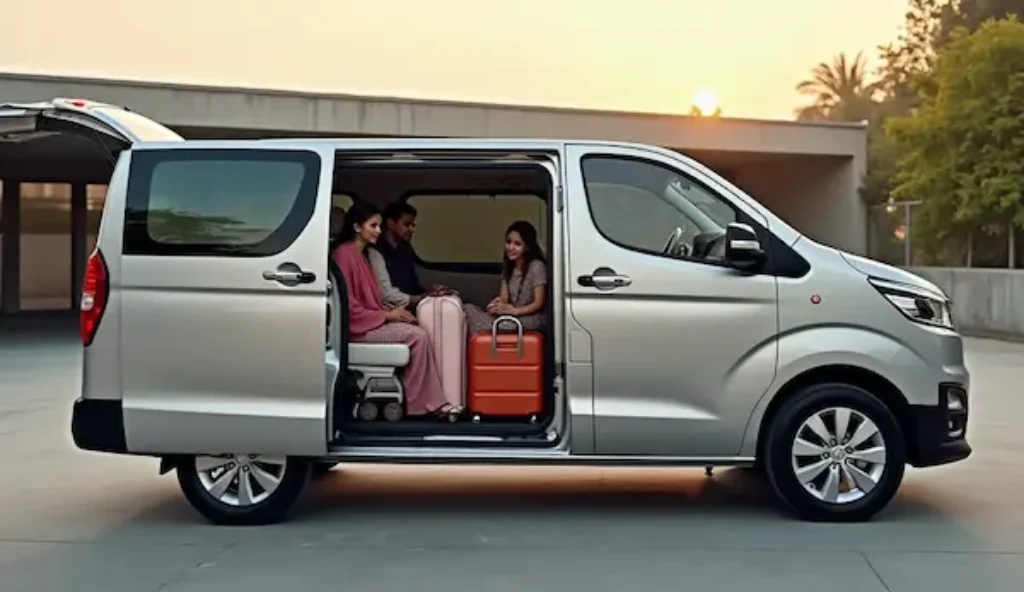
Boot space often gets overlooked until you need it. Weekly grocery shopping, weekend luggage, and occasional larger items all require adequate storage. Check boot access too, as some designs make loading awkward despite reasonable volume.
Climate control effectiveness varies dramatically between models. Pakistan’s extreme temperatures make this critical. Ensure air conditioning cools adequately during hot test drives. Northern buyers should verify heating performance during winter months.
Safety Features Assessment
Budget vehicles traditionally skimp on safety features, though this slowly improves. However, some basic safety equipment should never be compromised regardless of price.
Seat belts for all passengers represent the absolute minimum. Surprisingly, some budget vehicles still lack rear seat belts. Never accept this deficiency, as seat belts prevent serious injuries in accidents.
Airbags increasingly appear even in budget segments. At minimum, look for driver and front passenger airbags. Some models now include side airbags and curtain airbags, providing additional protection. More airbags obviously improve safety, though they increase costs.
Anti-lock braking systems prevent wheel lockup during emergency braking. This technology significantly improves accident avoidance. While not universal in this price range, prefer vehicles offering ABS when possible.
Body structure matters enormously in crashes. Unfortunately, evaluating this requires crash test data that manufacturers rarely provide in Pakistan. Research international safety ratings when available, as they indicate structural integrity.
Visibility affects accident prevention. Check blind spots during test drives. Ensure mirrors provide adequate rearward vision. Reversing cameras help but should supplement rather than replace good visibility design.

New versus Used Comparison
Budget constraints often force the new versus used decision. Each option offers distinct advantages and disadvantages worth careful consideration.
New vehicles provide warranty protection, latest features, and peace of mind about condition. You know the complete history and avoid inheriting previous owners’ problems. However, new cars cost significantly more and depreciate rapidly during initial years.
The 15 to 20 lakh budget opens interesting used car possibilities. Well-maintained three to five year old vehicles from premium brands become accessible. A used Honda or Toyota at this price might offer better overall value than a new budget brand.
However, used cars carry risks. Hidden problems might surface after purchase. Maintenance history might be incomplete or fabricated. Previous accident damage can cause ongoing issues. These risks require careful inspection and honest sellers.
If buying used, always get independent mechanic inspection. Spend a few thousand rupees on thorough checking to avoid expensive surprises. Verify ownership documents carefully. Check service records when available. Test drive extensively under various conditions.
Certified pre-owned programs from authorized dealerships reduce used car risks. These vehicles undergo inspection and come with limited warranties. Prices exceed private sales but provide valuable peace of mind.
Consider depreciation curves when deciding. New cars lose 20 to 30 percent of value within three years. Buying slightly used lets someone else absorb this depreciation while you enjoy most of the vehicle’s useful life.
Financing Options Explained
Most Pakistani buyers finance vehicle purchases through loans. Understanding available options helps you secure better terms and avoid costly mistakes.
Banks offer auto loans with varying interest rates and terms. Rates currently range from 18 to 25 percent annually, depending on economic conditions and your credit profile. Even small rate differences significantly impact total payment amounts. A 2 percent rate reduction on a 15 lakh loan saves tens of thousands over five years.
Loan tenure typically extends from one to five years. Longer terms reduce monthly payments but increase total interest paid. Shorter terms cost more monthly but save substantially on interest. Balance these factors against your budget and other financial goals.
Down payment requirements usually range from 20 to 40 percent of vehicle value. Larger down payments reduce loan amounts and monthly obligations. Save as much as possible before buying to minimize financing costs. However, emergency funds should not be depleted for down payments.
Manufacturer financing occasionally offers promotional rates below bank lending. Monitor such offers as they provide significant savings. However, read terms carefully as restrictions often apply.
Islamic banking alternatives avoid interest through different structures. These options appeal to those preferring sharia-compliant financing. Rates and terms generally match conventional loans despite different mechanisms.
Calculate total cost including all fees before committing. Processing charges, insurance requirements, and documentation fees add to advertised rates. Compare complete packages from multiple lenders rather than just interest rates.

Regional Considerations
Pakistan’s diverse geography creates different vehicle requirements depending on location. Understanding these variations helps match cars to environments.
Coastal cities face humidity and salt exposure that accelerate corrosion. Regular washing and rust protection become essential. Vehicles with better paint quality and undercoating fare better in these conditions. Check whether your chosen model has adequate corrosion protection.
Northern mountainous regions demand different capabilities. Steep climbs challenge small engines, especially when loaded. Adequate cooling systems prevent overheating during long ascents. Ground clearance matters on rougher mountain roads. Consider engine size and cooling capacity carefully if regularly driving in hilly areas.
Interior Sindh and southern Punjab experience extreme summer heat. Air conditioning effectiveness becomes critical rather than optional. Ensure the cooling system handles 45 plus degree temperatures. Tinted windows help but cannot compensate for weak air conditioning.
Urban congestion in Karachi, Lahore, and Islamabad requires patient engines that idle smoothly. Frequent stop-and-go driving increases fuel consumption and wear. Vehicles with better city fuel economy provide substantial savings in these environments.
Rural areas often lack quality roads. Potholes, speed bumps, and rough surfaces punish suspensions and undercarriages. Adequate ground clearance and robust suspension design matter more in these areas. Some budget cars struggle with harsh road conditions common outside major cities.
Making Your Final Choice
After researching thoroughly, narrow options to two or three vehicles that meet your requirements. Visit dealerships to experience these cars firsthand, as specifications alone do not convey the complete picture.
Extended test drives reveal more than quick trips around dealerships. Request permission for longer drives including highways, rough roads, and heavy traffic. This comprehensive testing exposes strengths and weaknesses that brief drives miss.
Bring family members who will regularly use the vehicle. Their comfort matters as much as yours. Children might prefer certain back seats. Spouses might find some controls more intuitive. Different perspectives help make better decisions.
Negotiate prices firmly but fairly. Pakistani dealerships often have flexibility, especially during slow periods. Research typical discounts and incentives before negotiations. Do not hesitate to walk away if terms seem unreasonable. Other opportunities always exist.
Consider total ownership costs over several years rather than just purchase price. A slightly more expensive vehicle with better fuel economy and lower maintenance might cost less overall. Calculate these lifetime expenses to make informed comparisons.
Trust your instincts alongside research. If something feels wrong about a deal or vehicle, pause and reconsider. Rushed decisions often lead to regret. Taking extra time now prevents years of dissatisfaction.
Essential Ownership Tips
Proper maintenance ensures your vehicle serves reliably for years. Following manufacturer recommendations prevents problems and maintains warranty coverage where applicable.
Regular oil changes represent the most critical maintenance task. Engine oil degrades over time and mileage, losing protective properties. Change oil at recommended intervals using specified grades. This simple habit prevents expensive engine damage.
Tire maintenance often gets neglected despite its importance. Check pressure monthly using an accurate gauge. Underinflated tires increase fuel consumption and wear unevenly. Rotate tires according to schedule for maximum life.
Keep detailed maintenance records including receipts and service descriptions. This documentation helps track patterns and proves valuable when selling. Buyers pay premiums for well-documented service histories.
Learn basic checks like fluid levels, tire pressure, and air filter condition. These simple tasks take minutes but prevent problems. Self-sufficiency reduces workshop dependence for minor issues.
Address problems promptly rather than ignoring them. Small issues often escalate into expensive repairs when neglected. Strange noises, warning lights, or performance changes warrant immediate attention.
Drive carefully during the initial break-in period, typically the first 1000 to 2000 kilometers. Avoid harsh acceleration and high speeds while components seat properly. This gentle treatment improves long-term reliability and performance.
Common Mistakes to Avoid
Many first-time buyers make predictable mistakes that cost money and cause frustration. Learning from others’ experiences helps you avoid these pitfalls.
Buying more car than you can afford creates financial stress that ruins ownership enjoyment. Honest budget assessment including all expenses prevents this problem. Remember that purchase price represents only the beginning of car-related costs.
Skipping thorough test drives leads to discovering problems after purchase. Insist on comprehensive testing under various conditions. Dealership pressure should never rush this critical evaluation.
Ignoring service network availability in your area causes ongoing frustration. A great car becomes terrible when you cannot find support. Verify local service infrastructure before committing to less common brands.
Focusing solely on purchase price while ignoring running costs produces unpleasant surprises. Fuel consumption, maintenance expenses, and insurance premiums accumulate significantly over time. Consider these lifetime costs in your decision.
Overlooking resale value seems unimportant when buying but matters tremendously when selling. Strong resale markets provide financial flexibility and easier upgrading. Vehicles from established brands with proven reliability retain value better.
Trusting verbal promises without documentation creates disputes later. Insist on written confirmation of all agreements, warranties, and conditions. Protect yourself with proper documentation.