Finding the Right Budget Car in Pakistan
Buying a car in Pakistan has gotten harder as prices climb and the rupee’s value stays unpredictable. Even so, there are still solid, affordable options for buyers who don’t want to stretch beyond their means. This guide walks through the current budget car market, the trade-offs between the main contenders, and what actually matters once you own one.
The Budget Car Market Today
Japanese brands dominated Pakistan’s small-car segment for decades, but local manufacturers and Chinese imports have opened up more choices for cost-conscious buyers. Decent vehicles now start around Rs. 15-25 lakh, which has genuinely widened access to car ownership for middle-class families who’d otherwise be priced out.
“Budget” is relative, of course. For this guide, we’re treating anything under roughly Rs. 30 lakh as budget territory — cars built for basic, reliable transportation rather than comfort or status.
The Main Contenders
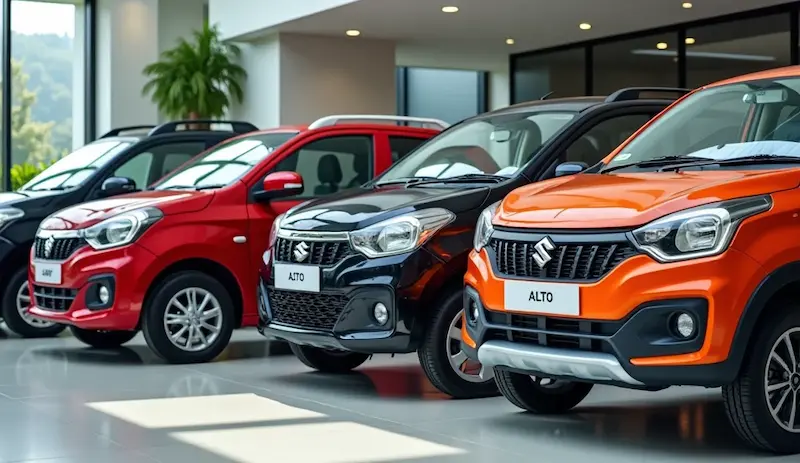
Suzuki Alto
The Alto has held the entry-level segment for years, and it’s earned that position rather than just inherited it. Its 660cc engine is more than adequate for city driving, and fuel economy typically lands between 18-22 km/l depending on how you drive — genuinely strong numbers for daily commuting.
What really sets the Alto apart is Suzuki’s service network. Authorized workshops and spare parts are available in nearly every city, which keeps long-term maintenance predictable and affordable. Resale value also holds up better than most competitors in this range.
It’s not without compromises — the cabin feels tight for taller passengers, build quality is basic, and the suspension struggles once you leave smooth city roads. Still, for a first car or a strictly budget-focused purchase, it remains the safest bet in the segment.

United Bravo
United Motors positioned the Bravo as an even more affordable alternative to the Alto. This 800cc hatchback targets buyers focused squarely on the lowest possible price point for basic transport.
It offers more interior room than the Alto — a real plus for families — and the larger engine handles a fully loaded cabin a bit better. Fuel economy runs 16-20 km/l, reasonable for an 800cc car, and the manual transmission is straightforward enough for new drivers.
The catch is the service network. Authorized centers thin out fast once you’re outside major cities, and parts availability, while improving, still lags behind Japanese brands. It’s a strong value pick specifically where United Motors already has a local presence.
Prince Pearl
Prince Pearl sits between the Alto and pricier options, offered as an 800cc sedan with more space and features than typical hatchbacks at this price. The ride is surprisingly comfortable, rear legroom is decent, and standard equipment — power windows, central locking, air conditioning — often beats what competitors include as standard.
Fuel economy sits around 15-18 km/l, not class-leading but reasonable given the larger body and extra features. An automatic transmission variant is available too, appealing if you’re tired of shifting through heavy traffic.
Being a newer name in Pakistan, its service network and parts availability are still maturing, and resale value is harder to predict since the brand hasn’t built a long track record yet.

What Actually Matters Beyond the Sticker Price
Fuel Efficiency
Fuel prices in Pakistan move often enough that even small efficiency differences add up to real savings over a year of regular driving. If most of your driving is stop-and-go city traffic, prioritize a car known for good city mileage over highway figures. Modern fuel injection has closed a lot of the efficiency gap across the segment, though some buyers still prefer older, simpler carburetor systems for their easier upkeep.
Maintenance and Running Costs
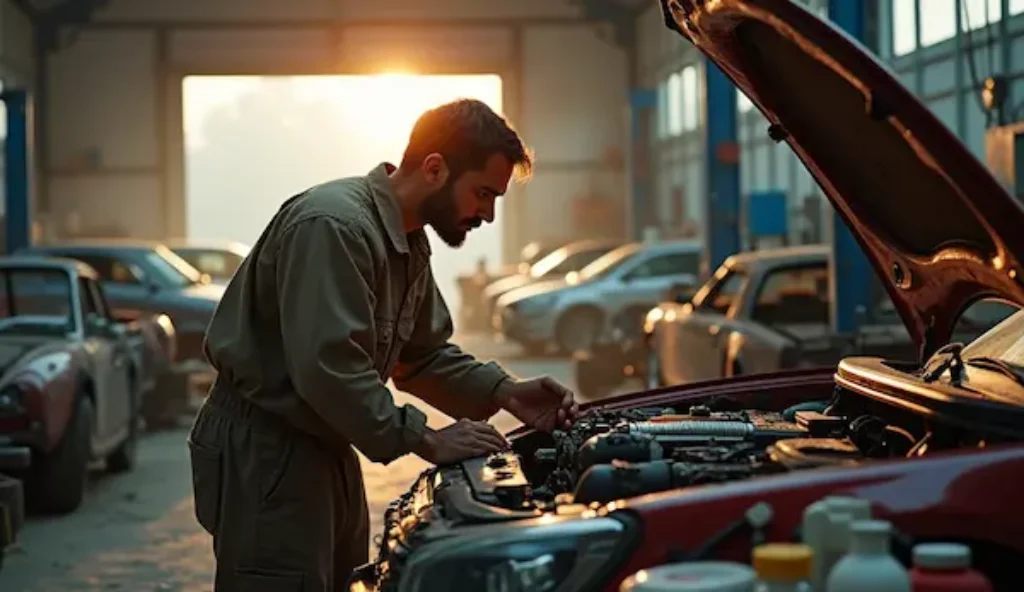
The purchase price is only part of the equation — regular servicing, parts, and the occasional unexpected repair add up over time. Japanese brands generally win here thanks to established networks and competitive parts pricing. Chinese brands are catching up but still vary a lot by city, so it’s worth checking your nearest authorized service center before committing to a less common brand. Insurance costs also scale with vehicle value, so it pays to compare quotes across a few providers.
Resale Value
Most people sell or trade in eventually, so resale matters more than buyers often think upfront. The Alto’s resale demand stays strong even years in — these cars move quickly in the used market, which gives you flexibility down the line. Less established brands tend to sell slower and for less, since buyers hesitate over long-term parts availability. That same hesitation, though, can work in your favor if you’re shopping the used market for one of these cars yourself.
Safety Features
Budget cars sometimes cut corners here to hit a price point, but this isn’t the place to compromise. Look for at least driver and passenger airbags, ABS, and seat belts for every seat. Some manufacturers are starting to include more safety equipment even at entry-level pricing, so it’s worth comparing this across brands rather than assuming they’re all equal.
New vs. Used
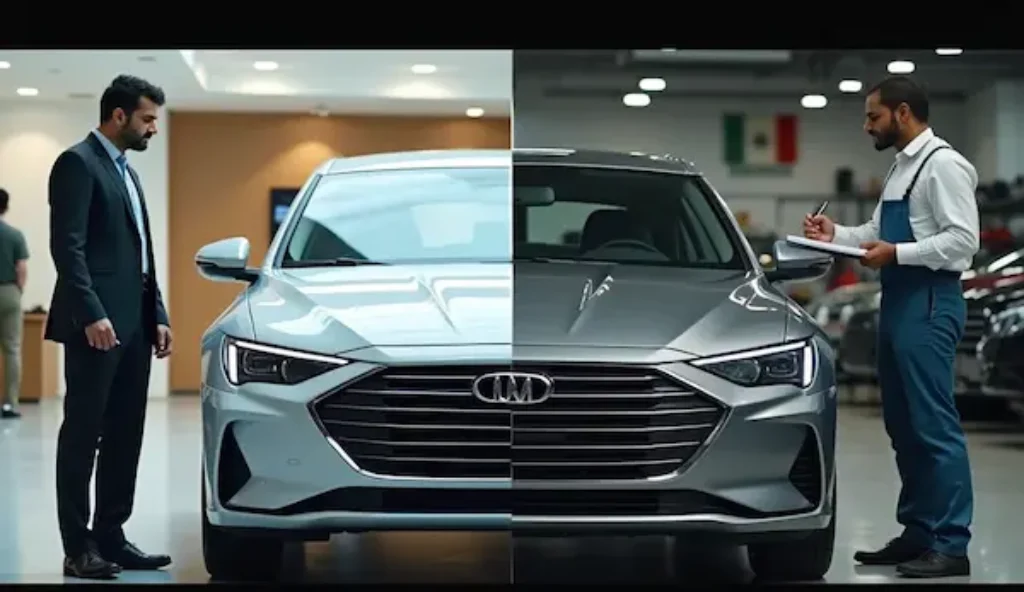
New cars come with warranty coverage and certainty about condition, but they carry a higher price and depreciate fastest in the first couple of years. Used cars — particularly ones 3-5 years old from a reputable brand — can offer similar day-to-day functionality at a noticeably lower cost, but you also inherit whatever wear or issues the previous owner left behind.
If you go the used route, get a proper inspection from a trusted mechanic, check service records and accident history carefully, and test drive it in more than one condition — city traffic and a rougher road, at minimum — before deciding.
Financing Considerations
Most buyers in Pakistan finance their car purchase rather than paying cash outright, and banks and auto financing companies offer a range of terms worth comparing carefully — even a small difference in interest rate adds up significantly over a multi-year loan. Some manufacturers run subsidized financing promotions periodically, which can meaningfully lower total cost if the timing works out.
Be realistic about your monthly budget before signing anything — factor in fuel, insurance, and maintenance alongside the loan payment itself. Down payments typically run 20-30% of the vehicle’s value; putting down more upfront reduces both your monthly obligation and total interest paid.
Making the Final Call
Once you’ve narrowed things down to two or three cars, visit dealerships in person — photos and spec sheets don’t tell you how a car actually feels. Take an extended test drive across different conditions: highway, city traffic, and rougher roads if you can manage it, since that’s a realistic picture of what daily ownership will feel like.
Pakistani dealerships often have room to negotiate, especially during slower sales periods or near fiscal year-end. Don’t be afraid to walk away if the terms don’t work — there’s always another opportunity. And weigh total cost of ownership, not just sticker price; a slightly pricier car with better fuel economy and lower upkeep can easily work out cheaper over several years.

After You Buy
Sticking to the manufacturer’s service schedule — using the recommended fluids and parts — is the single biggest thing you can do for long-term reliability. Regular oil and filter changes prevent most avoidable engine problems, and keeping detailed maintenance records pays off both for tracking recurring issues and for boosting resale value later.
During the first 1,000-2,000 km, drive gently — avoid harsh acceleration and high speeds so engine components seat properly. It’s also worth learning basic checks yourself: fluid levels, tire pressure, air filter condition. These small habits cut down how often you need a workshop for minor issues.
Regional Factors Worth Weighing
Pakistan’s geography isn’t uniform, and neither is how a car handles it. Coastal humidity and salt exposure call for more frequent cleaning and rust protection, while northern mountainous routes demand stronger engine power and cooling. If your local roads are in poor shape, prioritize decent ground clearance and a suspension that can take a beating — some budget cars genuinely struggle here.
Climate control performance also varies by model — if you’re in interior Sindh or southern Punjab, confirm the AC can actually keep up with summer heat; northern buyers should do the same check for heating performance in winter.
Final Verdict
Weighing everything together, the Suzuki Alto remains the most practical pick for most Pakistani buyers shopping this segment — the combination of reasonable pricing, strong fuel economy, a wide service network, and dependable resale value is hard to match. That said, individual needs vary: families needing more room might lean toward the Prince Pearl despite slightly higher running costs, while buyers in cities with a solid United Motors presence can consider the Bravo for maximum affordability. If your budget stretches a bit further, our guide on the best cars under 20 lakhs covers a slightly wider range of options.
Looking Ahead
Pakistan’s auto market keeps shifting as new entrants arrive and buyer preferences change. Electric vehicles will likely reach the budget segment eventually, though current infrastructure and pricing put that a fair way off still. Government tax and import policy also moves prices around more than people expect, so it’s worth keeping an eye on announced changes before finalizing your purchase timing — sometimes waiting a few months genuinely pays off.
Frequently Asked Questions
What is the cheapest new car available in Pakistan?
Entry-level hatchbacks like the Suzuki Alto and United Bravo typically sit at the lower end of the new-car market, though exact pricing shifts with variant and time. Check current dealership pricing before budgeting.
Is it better to buy a used Alto or a new Bravo at a similar price?
It depends on the used Alto’s condition and mileage. A well-maintained used Alto often holds an edge in resale value and service network access, but a new Bravo comes with warranty coverage and no inherited wear.
How much should I budget for a down payment?
Most financing plans require 20-30% of the vehicle’s value upfront. A larger down payment reduces your monthly installment and the total interest paid over the loan term.
Do Chinese car brands have good resale value in Pakistan?
Generally not as strong as Japanese brands yet, since buyers are still cautious about long-term parts availability and service networks. This is improving as these brands build a longer track record locally.
What safety features should a budget car have at minimum?
At minimum, look for driver and passenger airbags, anti-lock braking systems (ABS), and functioning seat belts for every seating position. Don’t compromise on these regardless of price.
How can I check a used car’s real condition before buying?
Get an independent inspection from a trusted mechanic, review service records and accident history, and test drive it under a few different conditions rather than just around the dealership lot.